Choosing The Right Soil For Your Landscaping Project
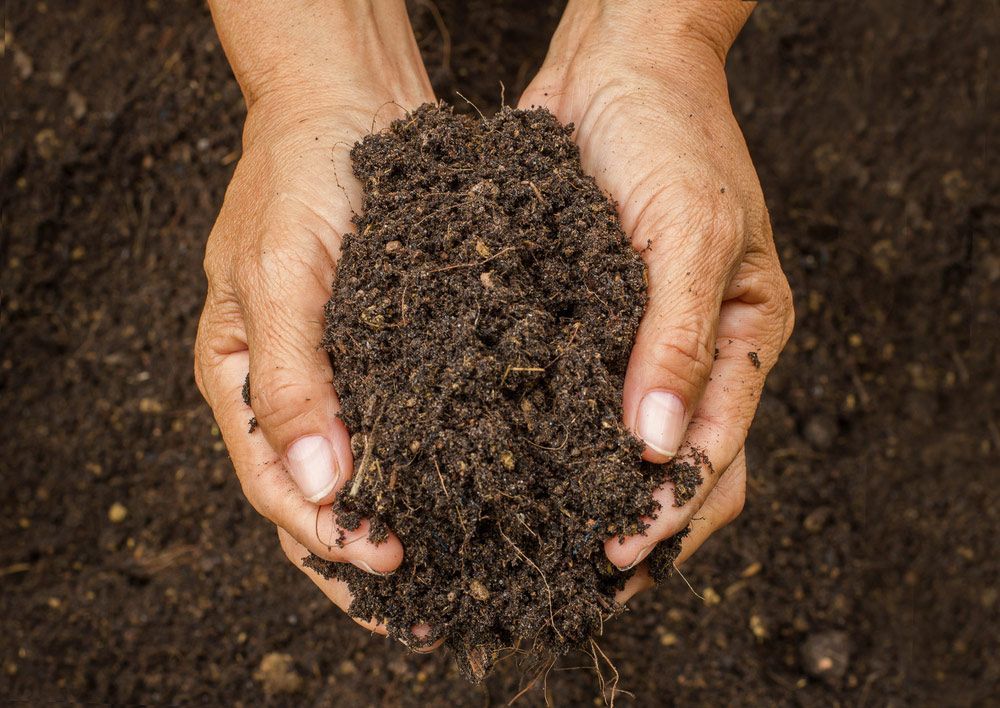
Good landscaping starts long before the first plant goes in the ground. Whether you are refreshing an existing garden or starting from scratch, the soil you choose sets the foundation for how well your plants, lawn, or garden beds will grow. Soil holds moisture, delivers nutrients, stabilises root systems, and influences how much ongoing care your landscape will require. With so many mixes, blends, and soil types available, knowing where to start can feel overwhelming. That is why property owners often benefit from understanding the basics before choosing the right product for their project.
From drainage to texture, soil structure plays a huge role in overall plant health. Below, we break down the key soil types you will come across and how to decide which option is right for your landscaping goals.
Understanding Soil Types Before You Break Ground
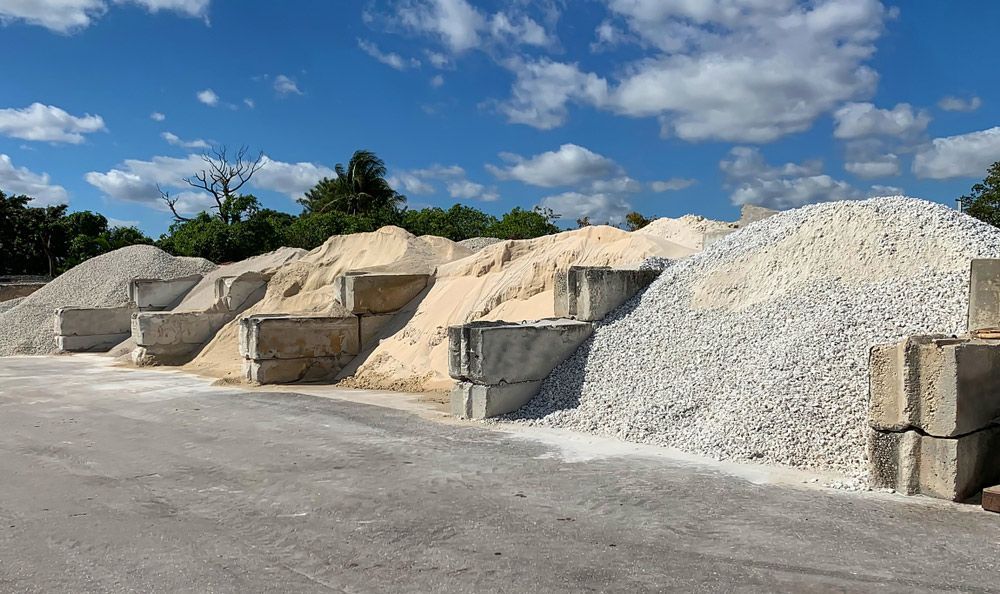
Before you load up the trailer or place an order, it helps to understand the different forms of soil in Dubbo available through local suppliers. Each type behaves differently once it settles into your garden, and knowing these differences makes it easier to select the right product for your space.
- Soil choice affects drainage, water retention, and ongoing maintenance needs.
- Different plants require different textures, which landscape suppliers help match to your project.
- Starting with the right soil reduces the risk of plant stress and poor establishment.
Why Loam Is the Go-To Choice for Most Garden Projects
Loam is often considered the best soil for garden beds because it offers balance. With a naturally crumbly structure and an even mix of sand, silt, and clay, it suits most common planting situations. Landscapers rely on loam for projects where consistent performance matters.
- Loam provides strong moisture retention while still allowing excess water to drain away.
- It contains enough organic matter to help plants access nutrients throughout the growing season.
- It works well for vegetables, flowers, and general landscaping where adaptability is needed.
When Sandy Soil Works in Your Favour
Sandy soil is loose, gritty, and ideal when drainage is your priority. It does not hold nutrients as effectively as loam, but for certain plant types, this is exactly what helps them thrive. Many drought-tolerant and native species prefer the faster drainage sandy soil provides.
- Sandy soil is suited to natives and plants that dislike sitting in overly wet conditions.
- It helps avoid root rot in species adapted to dry or coastal-style environments.
- Landscaping projects involving succulents or native shrubs often benefit from sandy blends.
Tackling Tough Conditions With Clay-Based Soil
Clay soil is dense and can compact quickly, but it offers high nutrient content when used correctly. It suits gardens where plants prefer cooler, moisture-retentive ground. While clay can be difficult to work with, landscape suppliers often guide customers on how to get the best from it.
- Clay soil is helpful for plants that thrive in heavier, moisture-rich conditions.
- Its structure helps hold nutrients for longer periods compared to fast-draining mixes.
- Amending clay with organic matter improves its workability and long-term performance.
Custom Garden Mixes Designed for Everyday Landscaping
Garden mixes blend soil, sand, and organic matter to create a versatile product suited to most residential landscaping projects. These mixes are commonly recommended to property owners wanting a balanced solution without having to formulate it themselves.
- Garden mixes support new garden beds, lawn preparation, and general planting needs.
- They offer consistent structure, removing guesswork when establishing new sections of the yard.
- Suppliers often adjust blends to suit local climate conditions and common plant choices.
Potting Mix vs In-Ground Soil: Why the Difference Matters
Potting mix is formulated specifically for containers. It is lightweight, often soilless, and designed to support drainage in enclosed spaces. Using in-ground soil in pots often leads to compaction and poor airflow, which is why matching the mix to the planting location is so important.
- Potting mix promotes strong root development in confined spaces, such as pots and planters.
- Its structure naturally resists compaction, helping prevent waterlogging.
- Landscape suppliers help customers choose between potting mix and in-ground soil depending on the project.
Improving Poor Soil With Amendments and Organic Matter
Not every garden starts with ideal soil. Sandy soil can lack nutrients, while clay can be difficult to work. Soil amendments provide a way to lift the quality of the existing ground and create the best soil for plants without replacing it entirely.
- Organic matter helps sandy soil hold moisture and nutrients for longer.
- Gypsum or similar products can assist in loosening clay without disturbing its nutrient value.
- Professional landscape suppliers offer amendments suited to local soil conditions and planting requirements.
When to Ask a Local Landscape Supplier for Guidance
Even when you understand the basics, choosing the right soil can still feel tricky. Every landscaping project is unique, and factors like plant selection, slope, drainage, and climate all influence the choice. This is where suppliers offering Landscape Supplies Dubbo can make a meaningful difference.
- Suppliers can match soil types to local plant varieties and specific garden conditions.
- They offer product recommendations tailored to your project size and purpose.
- Their experience helps prevent costly mistakes, saving you effort and rework.
We at Dubbo Soils & Landscaping Supplies help property owners choose the right soil for everything from native gardens to large landscaping builds. Local soil conditions in Dubbo vary widely, which is why getting the right product first time makes a noticeable difference to how well your plants establish and grow. Visit us online at https://www.dubbosoils.com/ or call us today to discuss soil options, delivery, and expert advice tailored to your project.