Top Materials for Sustainable Landscaping
Updated 14/07/2026
Building a garden that looks good, lasts and doesn't cost the earth starts with one decision: what you put in the ground. After more than 20 years supplying landscape materials to homes and trade projects across Dubbo, we've seen firsthand what holds up through a Central West summer and what doesn't, and it almost always comes down to the materials chosen at the start.
This guide walks through the sustainable landscaping materials we stock, why they matter for gardens in our region and how to choose the right combination for a space that's beautiful, durable and easy on water. Every option below is drawn from what's actually available in our yard — no guesswork, no products we don't carry.
What Makes Landscaping Materials 'Sustainable'?
In short: a material earns the "sustainable" label when it's recycled or repurposed, sourced locally to cut transport emissions and suited to local conditions so it doesn't need constant water, fertiliser or replacement. In Dubbo, that usually means recycled organic products, locally blended soils and durable stone or aggregate rather than synthetic or heavily processed alternatives. The goal isn't just an eco-friendly label — it's a garden that performs well with less input over time.
Sustainable Materials We Stock in Dubbo
Rather than a generic list, here's what we actually supply and how each one fits into a sustainable garden:
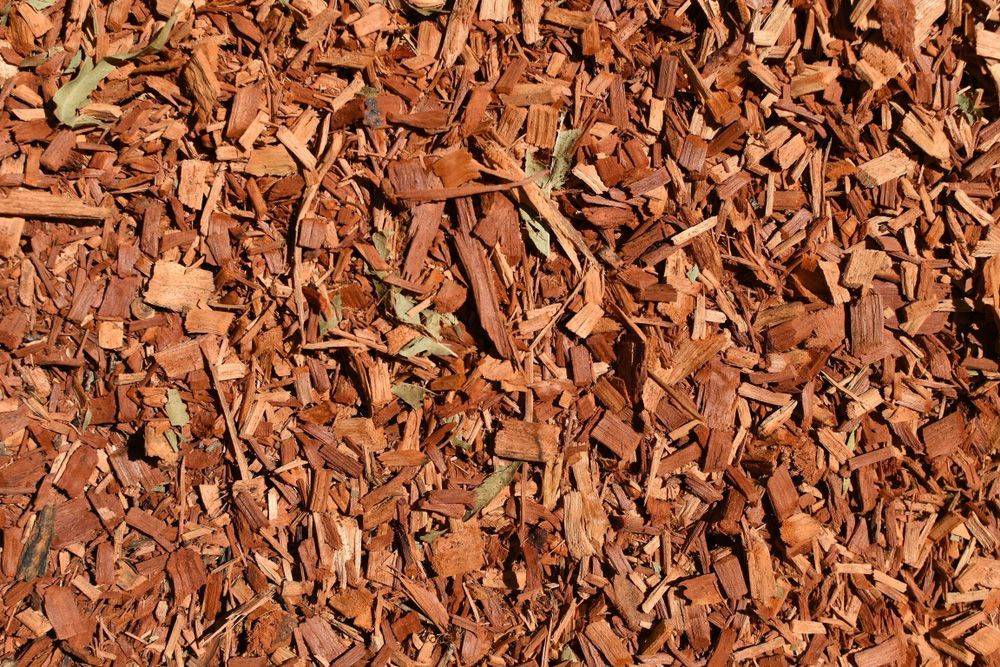
- Recycled and organic mulch — made from repurposed green waste and timber, it breaks down over time to feed the soil while suppressing weeds and locking in moisture.
- Softfall — a recycled option for play areas and high-traffic garden zones, giving safety and cushioning without synthetic rubber.
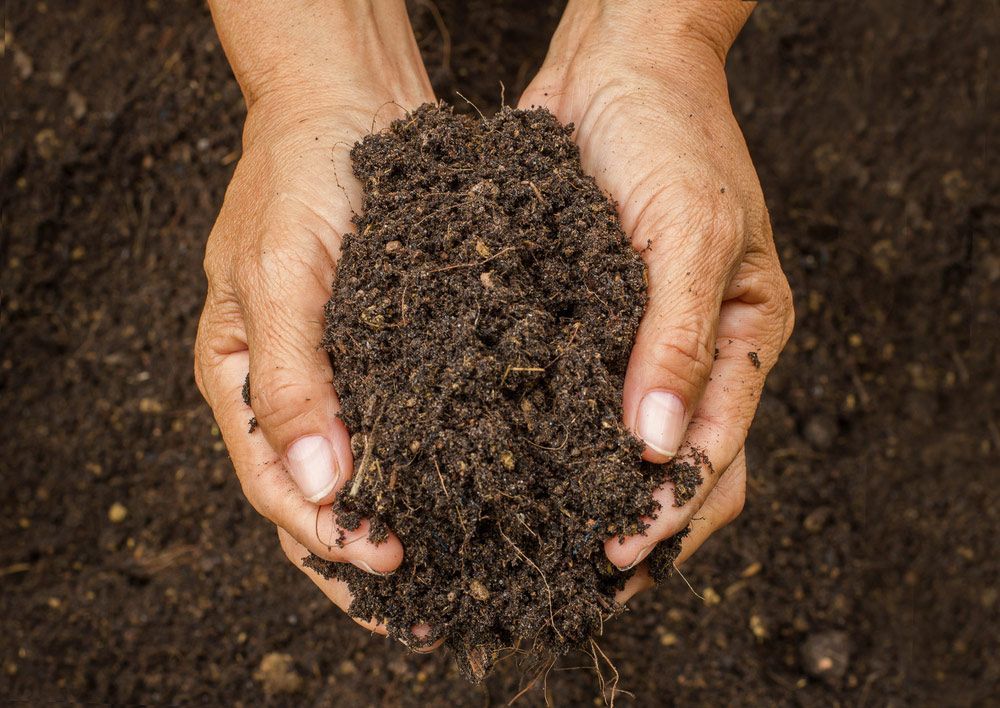
- Locally sourced soil and garden blends — mixed to suit our clay-heavy Dubbo soils and native plant requirements, so gardens establish faster with less amendment.
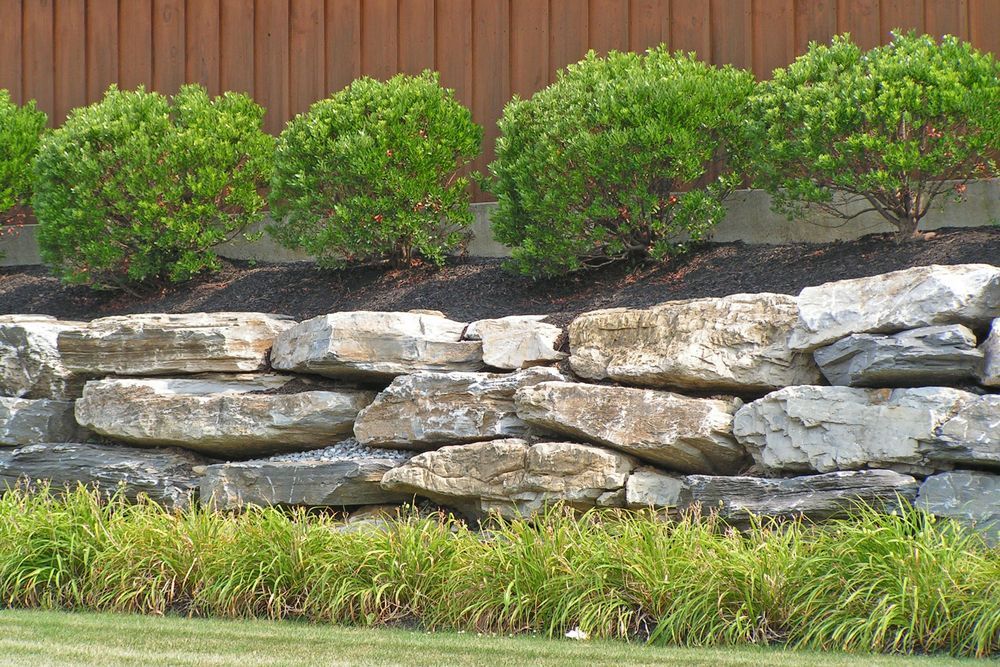
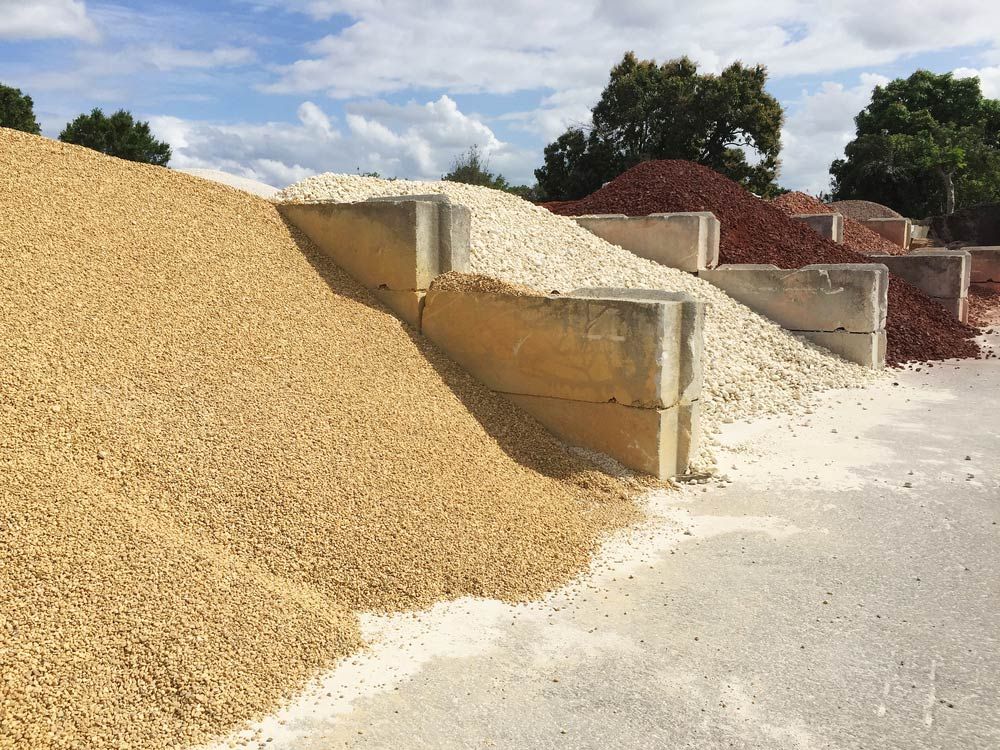
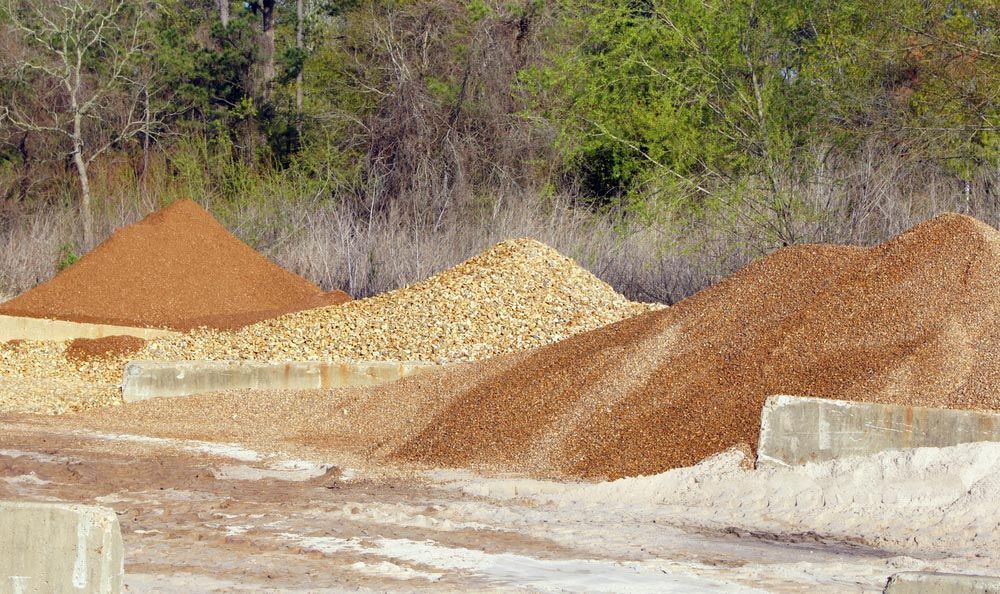
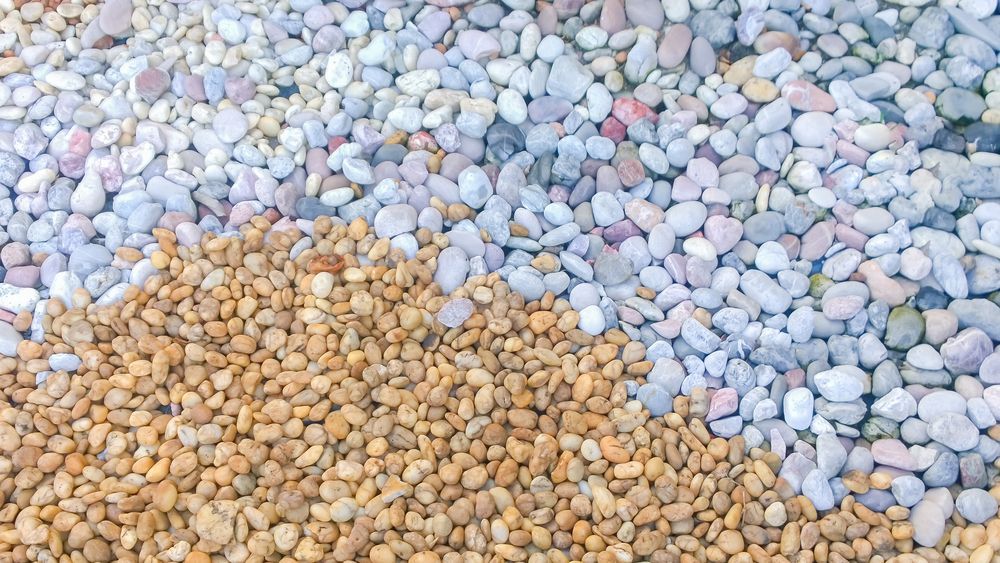
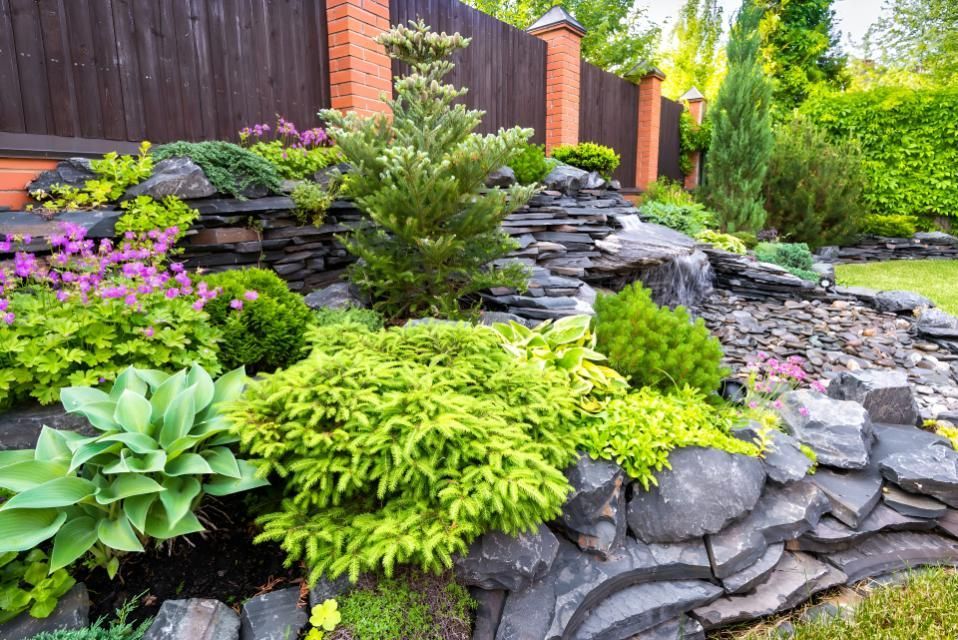
- Decorative stone and gravel — a long-lasting, low-water alternative to lawn or garden bed cover, ideal for pathways, borders, and drought-tolerant plantings.
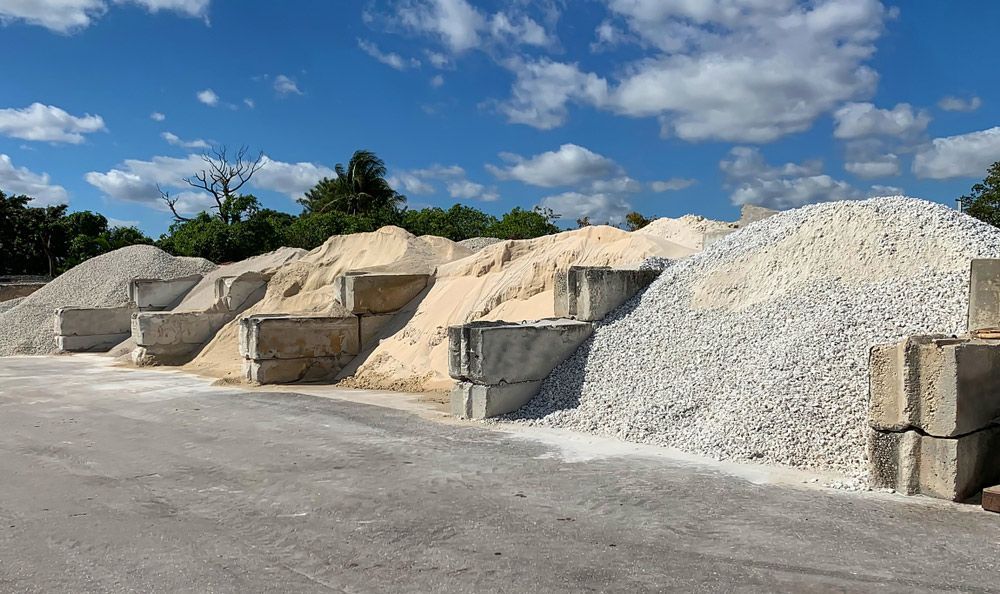
- Road base — a practical, durable option for driveways and firm garden foundations, often made using recycled aggregate.
Each of these is available as part of our everyday range of
landscape supplies Dubbo homeowners and landscapers can collect from the yard or have delivered.
Choosing Water-Wise Materials for Dubbo's Climate
Dubbo sits in a hot, semi-arid part of the Central West, which means gardens here face a different set of pressures to coastal regions: long dry spells, heavy clay soils that crack in summer and hold water poorly in winter, and periods of drought that can stress even established plants. We've supplied landscaping materials through more than one of these cycles, and it's taught us that water-wise choices aren't optional extras — they're the difference between a garden that survives and one that needs constant intervention.
A few things we recommend to customers building a water-wise garden in Dubbo:
- Favour organic mulch over bare soil or synthetic groundcover — it can meaningfully reduce moisture loss from evaporation.
- Use gravel or decorative stone in garden zones that don't need dense planting, cutting down on irrigated area altogether.
- Choose a soil blend matched to your existing ground conditions, rather than a generic mix, so water penetrates rather than pools or runs off clay.
- Group plants with similar water needs together, and let mulch and stone do the work in the gaps.
None of this requires exotic or expensive materials — it's about matching what you use to the conditions you're actually gardening in.
Sustainable Mulch & Soil for Healthier Gardens
Mulch and soil do more work in a sustainable garden than almost anything else, but the right choice depends on what you're trying to achieve.
- Organic mulch — recycled timber, bark or green waste blends — is usually the better choice for garden beds, veggie patches and anywhere you want to improve soil health over time. As it breaks down, it adds organic matter back into the ground, which is particularly valuable in Dubbo's clay soils. The trade-off is that it needs topping up every year or two as it decomposes.
- Inorganic cover — decorative stone or gravel — is the better call for low-maintenance zones, pathways, or drought-tolerant native gardens where you don't want organic matter breaking down into the soil, or where you want a permanent, low-input finish. It won't feed the soil, but it also won't need replacing.
For soil, we blend locally to suit Dubbo's ground conditions rather than selling one generic product for every application — a soil that works well under a native garden bed isn't the same one you'd want under a lawn or veggie patch.
If you want a deeper look at either topic, we've covered both in detail:
how to use mulch to improve garden health and
choosing the right soil for your landscaping project.
Using Decorative Stone and Gravel for Low-Water Gardens
For sections of the garden where you want structure without ongoing watering,
decorative stone and gravel are among the most reliable materials we supply. They don't need irrigation once laid, they hold up for decades and they come in a range of sizes and tones to suit different garden styles — from natural, native-planted borders to more contemporary designs. Combined with road base for pathways or firm bases, they give a garden a low-maintenance backbone that organic materials alone can't provide.
Get Sustainable Landscaping Materials in Dubbo
Building a water-wise, sustainable garden in Dubbo comes down to choosing materials suited to our climate and soils — not just what looks good on day one. From recycled mulch and locally blended soils to decorative stone and road base, our range at Dubbo Soils & Landscaping Supplies covers what a Central West garden actually needs to thrive with less water and less waste.
Get in touch for a free quote or to arrange delivery, or drop by the yard to see our full range of sustainable landscaping materials Dubbo gardeners and landscapers have trusted for over 20 years.