The Importance Of Quality Landscape Supplies
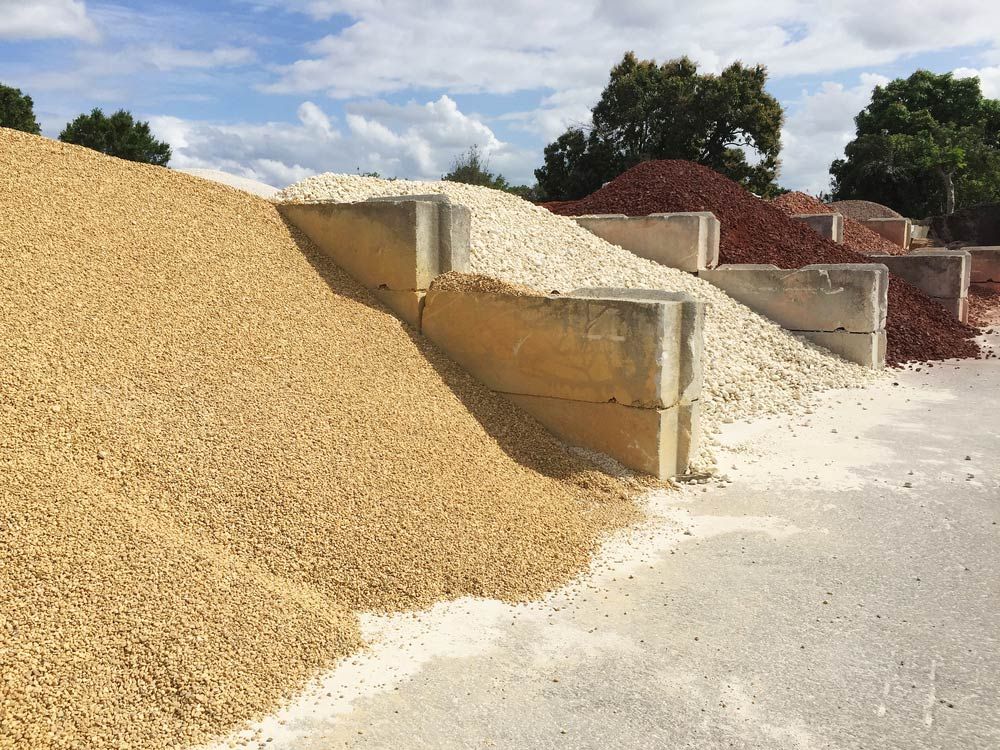
Most landscaping projects don’t stall because of budget or ambition. They stall because the person planning them didn’t know what they were dealing with beneath the surface. Whether you’re searching for landscape supplies in Dubbo or just getting started on your first garden overhaul, the same problem catches people out: order the wrong amount of soil, underestimate how much base material a driveway needs, or skip drainage planning altogether, and you’re back at square one mid-project, scrambling for more supplies and losing a weekend you didn’t have to spare.
Whether you’re laying turf for the first time, building raised garden beds, or sorting out a muddy pathway that turns into a swamp every time it rains, getting your planning right from the start is what separates a smooth project from a frustrating one. This guide covers what you need to know about soil conditions, how to match materials to your project type, how to calculate quantities without guessing, and how to think through logistics before you order anything.
Understanding Dubbo’s Soil Conditions Before You Start
Before you pick up a shovel or order a single cubic metre of anything, it helps to understand what you’re working with. The soils across the Central West are predominantly heavy clay: dense, slow-draining, and prone to cracking during dry spells and waterlogging during wet ones. That combination creates real headaches for plant roots and lawn establishment if it’s not addressed upfront.
Clay soil isn’t inherently bad. It holds nutrients well and has reasonable structure for load-bearing, but on its own it’s not suited to most garden or lawn applications. The key is improving it before you plant or turf, not after you’ve already hit problems.
What this means practically:
- Lawn preparation: Clay soils compact easily under foot traffic, limiting oxygen to root zones. Working in organic matter or a quality sandy loam before laying turf dramatically improves drainage and long-term grass health.
- Garden beds: Without amendment, clay soils hold too much moisture during wet periods and set hard in summer. Blending in compost and quality topsoil changes the soil structure and gives plants a much better start.
- Drainage projects: Heavy clay is the primary reason drainage becomes a priority in this region. It doesn’t absorb or move water efficiently, so any area that pools after rain needs a proper drainage solution rather than just more topsoil on top.
Understanding your soil type also affects which landscaping supplies Dubbo gardeners and homeowners actually need, and in what ratios. A garden bed built on a clay base needs more organic matter blended in than one built on sandy loam. Starting with that context means you’re buying the right materials for your actual conditions.
Matching Materials to Common Project Types
Different projects call for different materials, and confusing them or skipping a layer is one of the most common and costly mistakes in DIY landscaping. Here’s a practical breakdown by project type.
Lawn preparation and turf laying
A quality lawn starts with the right base. Turf needs well-draining, nutrient-rich soil to establish properly. The standard approach is to add a layer of quality lawn mix or sandy loam over existing ground, level it, then lay turf on top. Placing turf directly onto raw clay without amendment is a reliable way to end up with a patchy, poorly draining lawn within a season.
- Aim for at least 100mm of quality topsoil or lawn mix beneath turf
- Work in compost if the base soil is particularly heavy or compacted
- Grade the surface for even drainage to prevent low spots that pool water
Raised garden beds
Raised beds let you control your growing medium entirely, which is one of their main advantages in clay-heavy areas. They’re filled with a blend of topsoil, compost and sometimes coarse sand or a dedicated garden mix, depending on what you’re growing.
- Most vegetable beds need at least 300 to 400mm of quality mix to perform well
- A blend of roughly 60% quality topsoil and 40% compost is a solid general starting point
- Lining the base with cardboard or landscape fabric helps suppress weeds from below
Driveways and pathways
Gravel driveways and compacted pathways need a layered approach to stay stable and drain properly. A common mistake is placing decorative gravel directly on clay or bare ground. It sinks, shifts and ends up embedded in the soil within a season or two.
- Start with a compacted sub-base of road base or crusher dust
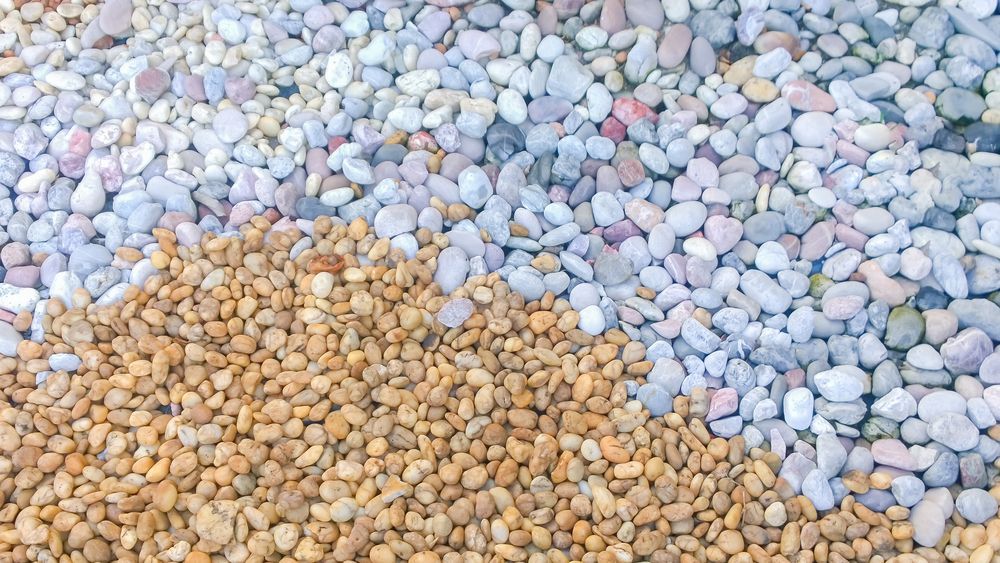
- Add a layer of drainage aggregate or decorative gravel over the top
- Edging restraints keep materials in place and reduce ongoing maintenance
Drainage solutions
If an area pools after moderate rain, that’s a drainage issue rather than a planting issue. Adding soil on top of a poorly draining area raises the problem without resolving it. French drains, ag pipe systems and gravel-filled channels all rely on specific aggregate types to move water away from problem spots effectively.
- Ag pipe should be surrounded by coarse aggregate rather than fine soil to stay effective over time
- Even a modest consistent gradient makes a significant difference to flow rate
- Geotextile fabric wrapped around drainage aggregate prevents soil migration into the system
How Much Do I Need? A Simple Calculator Guide
One of the most common questions people ask before starting a landscaping project in Dubbo is: how much landscape supplies do I need? The maths isn’t complicated — it’s just not intuitive if you haven’t done it before. Everything in bulk landscaping is measured in cubic metres (m³), calculated as length × width × depth.
The formula:
Length (m) × Width (m) × Depth (m) = Volume in m³
For example, a garden bed that’s 4m long, 2m wide and 0.4m deep needs: 4 × 2 × 0.4 = 3.2m³ of garden mix.
Common depth guides by material and application:
- Turf underlay or lawn mix: 100mm (0.1m)
- Garden bed fill: 300 to 400mm (0.3 to 0.4m)
- Pathway gravel, decorative layer: 50 to 75mm (0.05 to 0.075m)
- Road base or sub-base layer: 100 to 150mm (0.1 to 0.15m)
- Mulch: 75 to 100mm (0.075 to 0.1m)
Always add a buffer. Order 10 to 15% more than your calculated volume. Soil settles, compaction reduces volume, and irregular-shaped areas are hard to measure with precision. Running short mid-project and waiting on a second delivery costs more in time than a little extra material does.
For curved beds or odd-shaped lawns, break the area into simpler rectangles or triangles, calculate each section separately and add them together. It doesn’t need to be exact to be useful. A reasonable estimate with a buffer built in is sufficient for placing a materials order.
Topsoil, Garden Mix, Compost: Choosing the Right Product
The naming of soil products causes genuine confusion. “Topsoil” means different things from different suppliers, and “garden mix” is equally variable. Knowing what each product is designed for helps you avoid ordering the wrong thing.
Topsoil refers to the upper layer of native soil, screened and sometimes blended. It’s a general-purpose product suited to levelling, lawn preparation and filling raised beds when combined with organic matter. On its own it may not have enough nutrients or structure for high-demand garden applications.
Garden mix is a blended product combining topsoil, compost and sometimes sand or other amendments. It’s designed specifically for planting: better drainage, higher organic content and more consistent quality than straight topsoil.
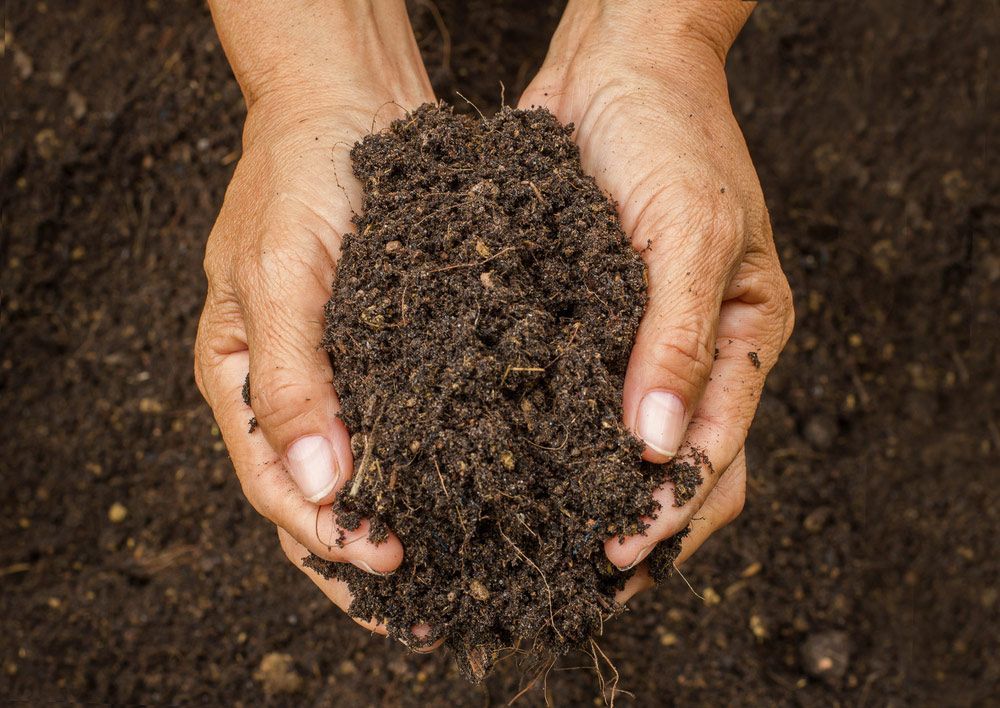
Compost is fully broken-down organic matter. It improves soil structure, adds microbial activity and provides slow-release nutrients. It’s rarely used alone as a fill material but makes a noticeable difference when blended into existing soil or topsoil at around 20 to 40%.
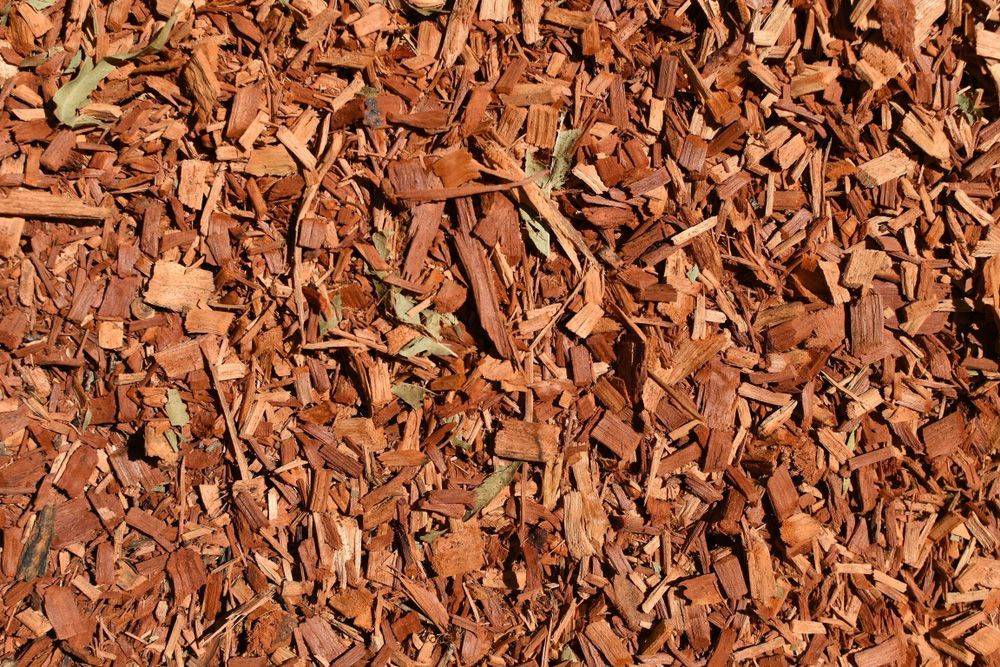
Mulch goes on top of the soil rather than in it. It reduces moisture evaporation, regulates soil temperature and suppresses weeds. Hardwood mulch and pine bark are the most common types, each with slightly different properties and lifespans. Applying it as a finishing layer after planting is one of the more straightforward ways to reduce ongoing watering in a dry climate.
Planning Your Drainage Before You Plant
Drainage is one of the most consistently overlooked steps in residential landscaping, particularly on clay-heavy sites. The temptation is to plant first and deal with drainage problems if they come up. But retrofitting drainage after turf, garden beds and paths are established is significantly more disruptive and expensive than planning for it at the start.
Signs your site needs drainage work before you begin:
- Water sits on the surface for more than a few hours after rain
- Soil remains visibly wet or boggy several days after a wet period
- Existing lawn or plants show yellowing or poor performance not explained by nutrition
- The site slopes toward a structure, fence line or building
Basic drainage approaches by situation:
- Surface pooling: Grade the area to direct runoff away from structures, or install a shallow graded channel to move water toward a suitable outlet.
- Subsurface waterlogging: Install ag pipe in a gravel-filled trench to intercept and redirect groundwater before it saturates the root zone.
- Pathway and driveway runoff: Ensure paths are graded toward the edge, with a compacted aggregate base that allows water to move through rather than pond on the surface.
Getting drainage sorted before you lay turf or establish beds isn’t over-engineering a simple project. It’s basic sequencing that protects everything you plant or build on top of it.
Delivery vs. Pickup: What Works Best for Your Project
How you get your materials home is a practical decision that affects your budget, your timeline and sometimes the feasibility of the project. Whether you’ve been searching for landscape supplies near me or are specifically after landscape supplies in Dubbo, the right choice between delivery and pickup usually comes down to volume and site access.
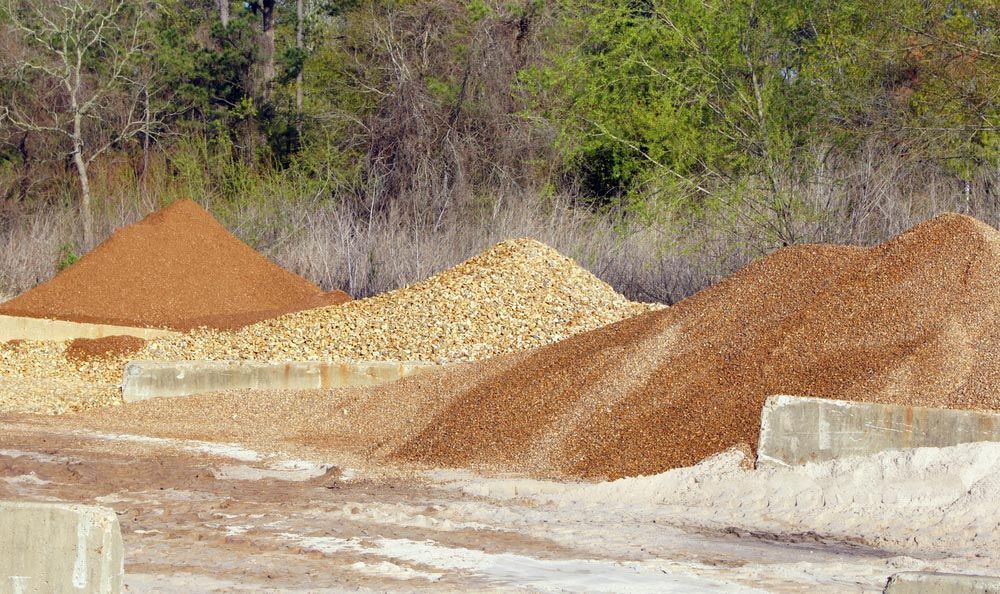
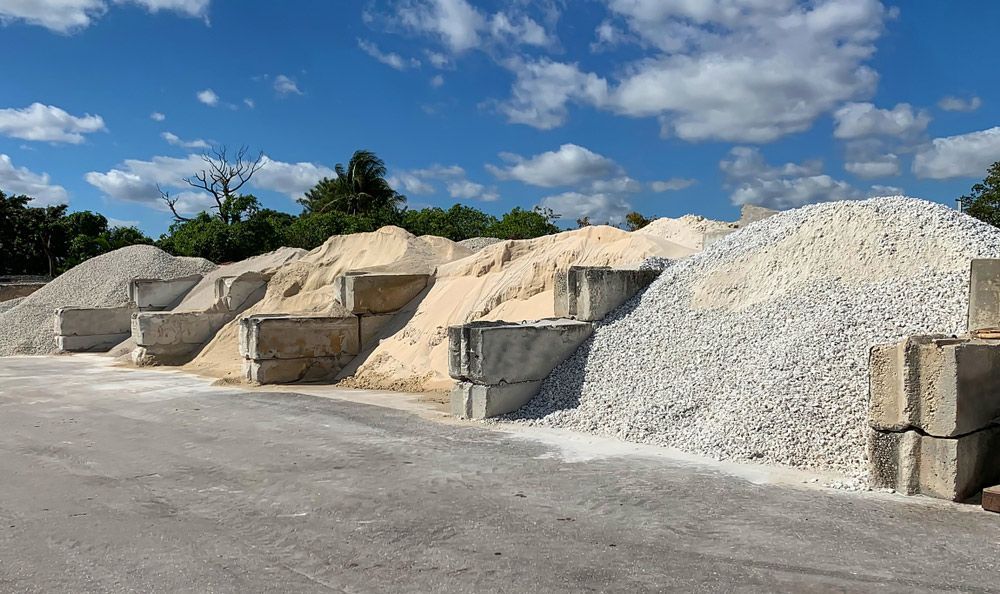
Pickup (ute or trailer): For smaller projects — such as a cubic metre or so of soil, a load of mulch or a few bags of compost — loading yourself is the most cost-effective approach. Most landscape supply yards sell products in bulk by the cubic metre as well as in bagged format for easier handling. Keep in mind that a standard ute tray carries around 0.5 to 0.8m³ comfortably depending on the product’s density, and overloading affects both handling and legal weight limits.
Bulk delivery: For anything over two to three cubic metres, or for heavy materials like road base and drainage aggregate, delivery is generally the more practical option. It removes the multiple-trip problem, and for large volumes the delivery cost is a minor fraction of the time saved.
A few things worth confirming before you book a delivery:
- Whether a truck can get close enough to your site to place the load where you need it
- How quickly you’ll be able to move material if it’s dropped on a verge or driveway
- Whether you can consolidate multiple products into a single delivery to reduce costs and simplify logistics
Get In Touch
We at Dubbo Soils and Landscaping Supplies stock the full range of landscape supplies Dubbo homeowners, property managers and tradespeople need to get any landscaping project Dubbo conditions demand done properly. The region’s clay-heavy soils, hot dry summers and variable rainfall create a specific set of challenges that generic landscaping advice doesn’t always account for. We stock a full range of bulk soils, composts, garden mixes, aggregates, drainage materials and mulches, and we’re glad to help you work through quantities before you commit to an order.
We deliver to Dubbo and surrounding areas including Narromine, Wellington, Gilgandra and Trangie. If you’d prefer to load up yourself, come in and we’ll help you get the right products sorted.
Give us a call on (02) 6884 1662 to talk through your project, confirm delivery availability, or
ask any questions before you get started.