How to Use Mulch to Improve Garden Health
Dubbo Soils & Landscaping SuppliesJanuary 9, 2026
Mulch plays a much bigger role in garden health than many property owners realise. While it is often treated as a finishing layer, mulch directly influences soil quality, plant strength, moisture retention and long term garden performance. When sourced correctly and applied properly, mulch helps gardens cope with heat, limits weed growth and supports healthier soil throughout the year.
Access to quality Landscape Supplies in Dubbo makes it easier to choose mulch that suits local soil conditions and climate demands. Rather than relying on guesswork, property owners can select materials that improve soil structure, support plant growth and reduce ongoing maintenance. Understanding how mulching works and choosing the right products allows gardens to thrive with less water use and greater resilience across the seasons.
Why Mulch Matters More Than You Think
Mulch acts as a protective barrier between soil and the elements. It reduces exposure to heat, wind and heavy rainfall, all of which can stress plants and degrade soil quality over time. By covering bare soil, mulch helps regulate temperature and protects delicate root systems.
Mulching also slows evaporation, keeping moisture in the ground for longer periods. This reduces watering demands and supports more consistent plant growth. As organic mulches break down, they add nutrients back into the soil, improving structure and fertility naturally.
Rather than being decorative only, mulch is a functional part of a healthy garden system.
Understanding Different Mulch Types
Not all mulch is the same, and different gardens benefit from different materials. Selecting the right mulch depends on plant types, soil condition and how the space is used.
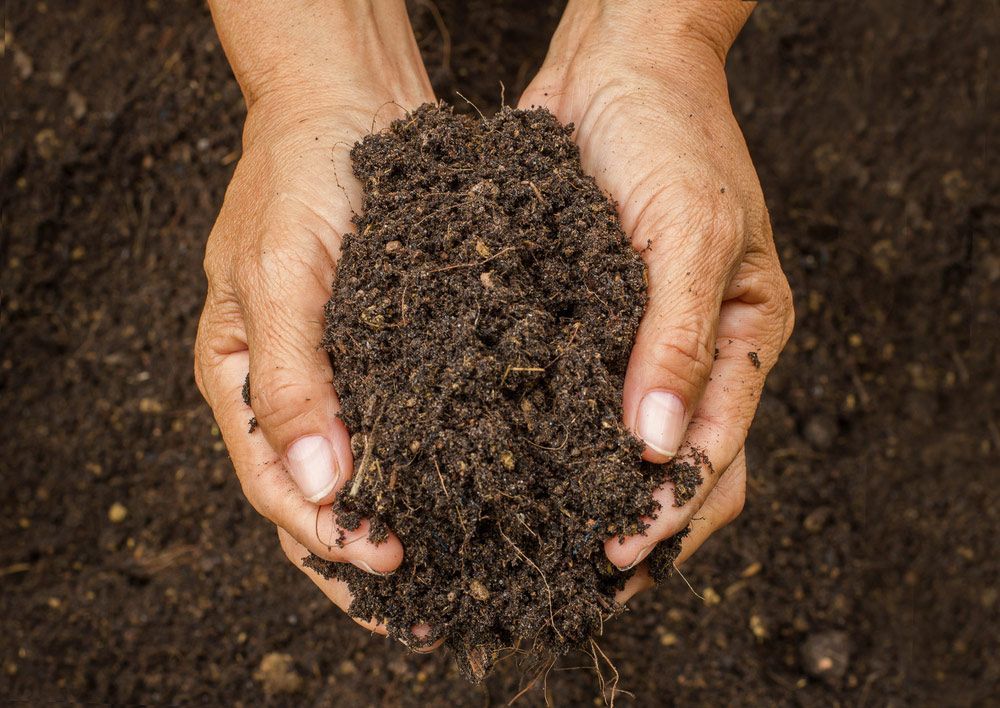
Leaf mulch is created from recycled organic matter and is well-suited to garden beds. It offers strong moisture retention and effective weed suppression while gradually enriching the soil.
Mushroom mulch is a nutrient-rich option commonly used to improve soil fertility. It supports plant growth and is popular in vegetable gardens and landscaped areas that require extra nourishment.
Cow manure improves soil structure and delivers essential nutrients. It is often used to prepare garden beds before planting or to boost soil health during growth periods.
Garden mixes combine organic materials into a balanced blend that supports a wide range of plants. These mixes are ideal for new garden beds and general landscaping projects.
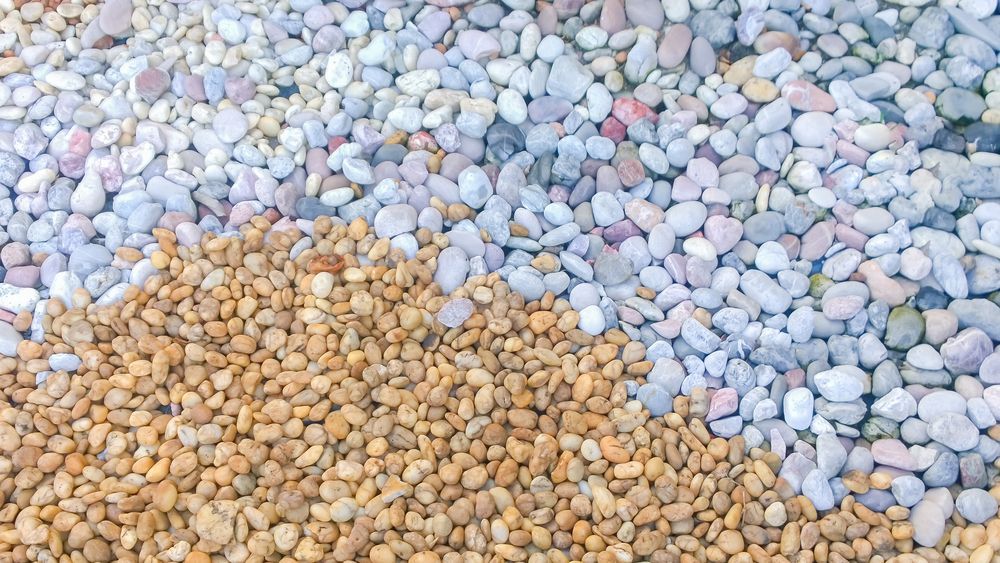
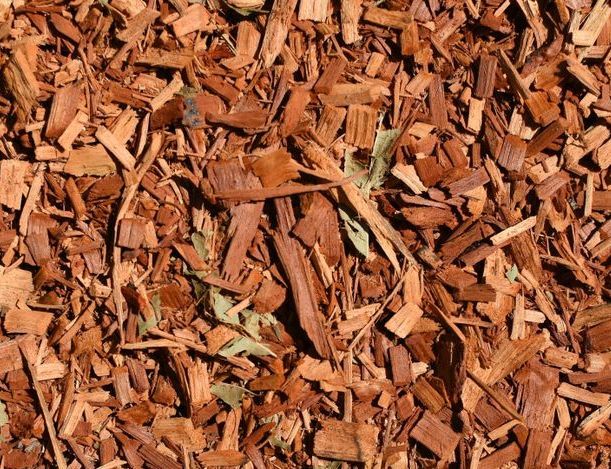
Bark fines, wood chips and decorative mulches are better suited to pathways, feature areas and large landscaped spaces where durability and appearance matter most.
Choosing the right mulch ensures both practical performance and visual appeal.
How Mulch Improves Soil Health
Healthy soil is the foundation of any successful garden. Mulch plays a key role in maintaining and improving soil condition over time.
Organic mulches increase organic matter as they decompose, helping soil retain moisture while improving drainage. This balance supports stronger root development and allows plants to access nutrients more easily.
Mulch also protects soil from compaction caused by heavy rain or foot traffic. By keeping soil loose and aerated, mulch encourages beneficial organisms like earthworms and microbes to thrive, further improving soil health.
Over time, regular mulching leads to more resilient gardens that require less intervention.
Weed Control Without Chemicals
Weeds compete with plants for water, nutrients and sunlight. Mulching is one of the most effective ways to suppress weeds naturally.
A consistent layer of mulch blocks light from reaching weed seeds, preventing germination. This reduces the need for chemical treatments and frequent manual weeding.
Mulch also prevents soil splash during rainfall, which limits the spread of weed seeds and soil-borne diseases. This keeps garden beds cleaner and healthier with less effort.
How to Apply Mulch Properly
Knowing how to apply mulch correctly is essential to getting the full benefit.
Start by removing weeds and watering the soil thoroughly before application. This locks moisture into the ground and gives plants a strong foundation.
Apply mulch evenly at a depth of around 50 to 75 millimetres. Too little mulch will not provide adequate protection, while excessive thickness can restrict airflow and water penetration.
Keep mulch clear of plant stems and tree trunks to prevent moisture buildup and rot. Leave a small gap around plants so they can breathe and grow freely.
Check mulch levels periodically and top up as materials break down or shift over time.
Seasonal Benefits of Mulching
Mulch provides year-round benefits, with different advantages depending on the season.
During warmer months, mulch helps keep soil cool and reduces water loss. This protects plants from heat stress and supports consistent growth.
In cooler periods, mulch acts as insulation, helping stabilise soil temperatures and protecting roots from sudden changes. It also reduces erosion caused by heavy rainfall.
Applying mulch at the right time ensures gardens remain protected regardless of seasonal conditions.
Matching Mulch to Garden Areas
Different parts of a property benefit from different mulching approaches.
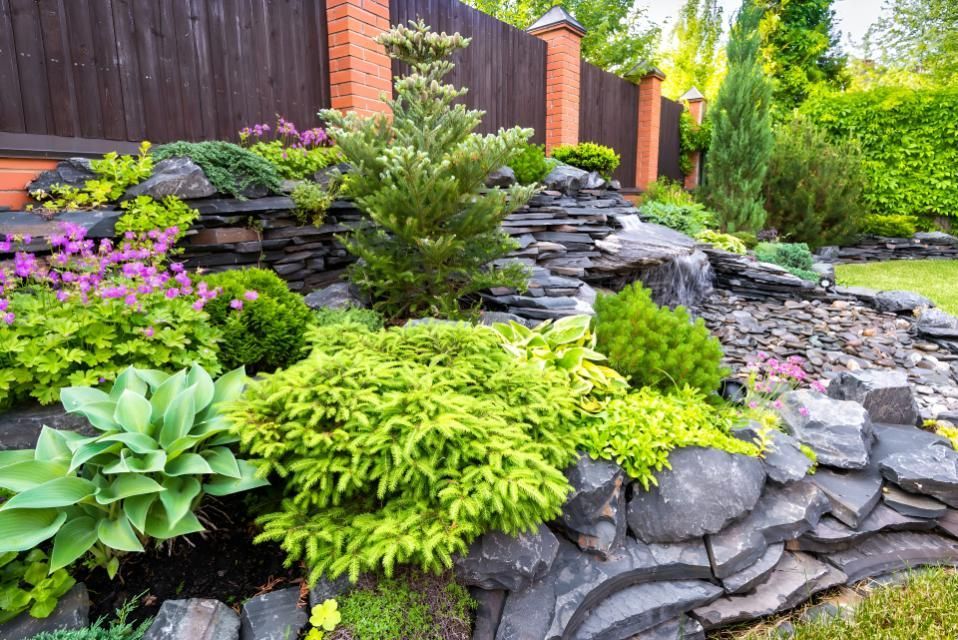
Garden beds respond best to organic mulches that improve soil quality over time. Vegetable gardens benefit from nutrient-rich options that support productive growth.
Pathways and high traffic areas require more durable mulches such as bark or wood chips to reduce erosion and mud while maintaining a neat appearance.
Playground and public spaces often use softfall mulch for impact absorption and safety.
Using the right mulch in the right place improves both function and appearance across the property.
Getting Value From Quality Landscape Supplies
The quality of mulch directly affects performance. Poor quality mulch may break down too quickly, contain contaminants or fail to deliver expected benefits.
Reliable landscape supplies ensure consistent quality, proper processing and suitable materials for different applications. Access to knowledgeable advice also helps property owners avoid common mistakes and choose products that suit their specific needs.
Quality materials make garden maintenance easier and results more predictable.
Making Mulch Part of Ongoing Garden Care
Mulching works best when combined with good watering habits, appropriate plant selection and regular garden monitoring.
Rather than applying mulch once and forgetting it, check coverage throughout the year and replenish as needed. Organic mulches naturally decompose, so topping up maintains consistent protection and soil enrichment.
With the right approach, mulching becomes one of the simplest and most effective steps toward healthier gardens.
A Simple Way to Support Long-Term Garden Health
Mulching is a practical, cost-effective way to improve garden performance. It protects soil, supports plant growth, reduces maintenance and enhances visual appeal.
By choosing the right materials and applying them correctly, property owners can enjoy stronger gardens that perform better year after year.
Talk to the Local Team About Mulch Solutions
At Dubbo Soils & Landscaping Supplies, we help property owners choose the right mulch for healthier gardens and outdoor spaces. Visit https://www.dubbosoils.com/ or
contact our team to discuss mulch options, delivery and expert advice suited to local conditions.