The Importance Of Quality Landscape Supplies
Learning how to lay turf starts well before the first roll touches the ground. A new lawn needs a prepared, level base with suitable soil underneath so roots can establish and excess water can drain. This preparation is particularly important around Dubbo, where heavy clay soils can compact, drain slowly and become difficult for new lawns if they are not improved first.
For homeowners tackling the job themselves, getting the ground right can make laying turf much easier. From choosing the right underlay to checking soil depth and levelling the surface, here is what to consider before creating your new lawn.
What Do You Put Under Turf?
Turf should be laid over a prepared soil base that gives new roots somewhere suitable to establish. Putting rolls straight onto hard, compacted or uneven ground can make it difficult to achieve the drainage, soil contact and level finish a new lawn needs.
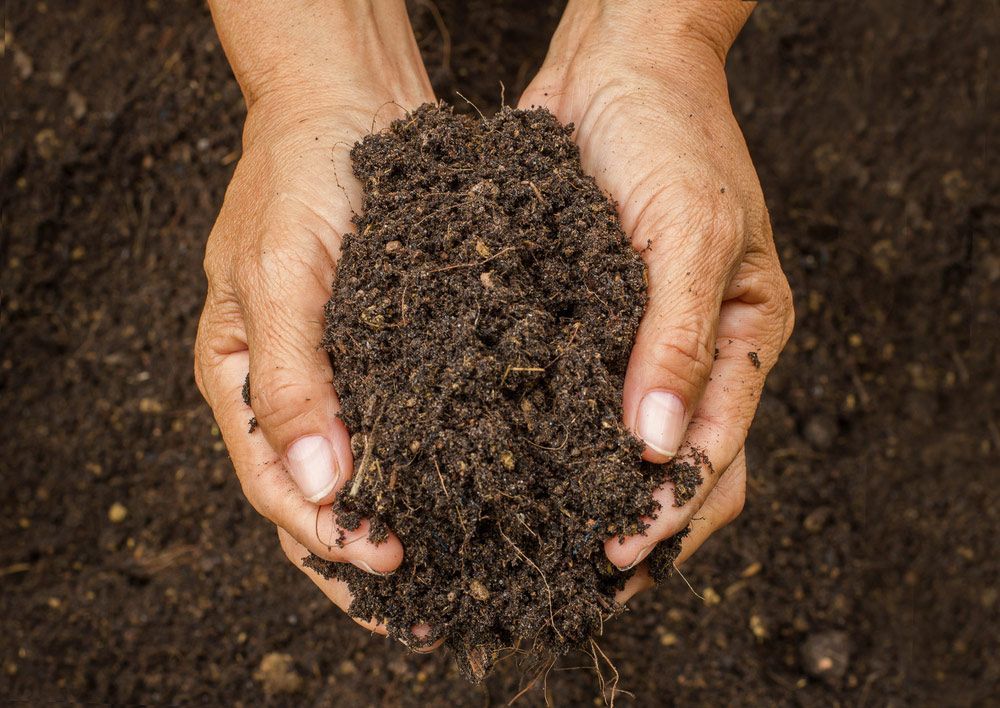
A turf underlay mix containing sand and soil can provide drainage and nutrients for establishing roots. Before ordering materials, look at what is already beneath the proposed lawn and consider whether the ground is compacted, uneven or prone to holding water.
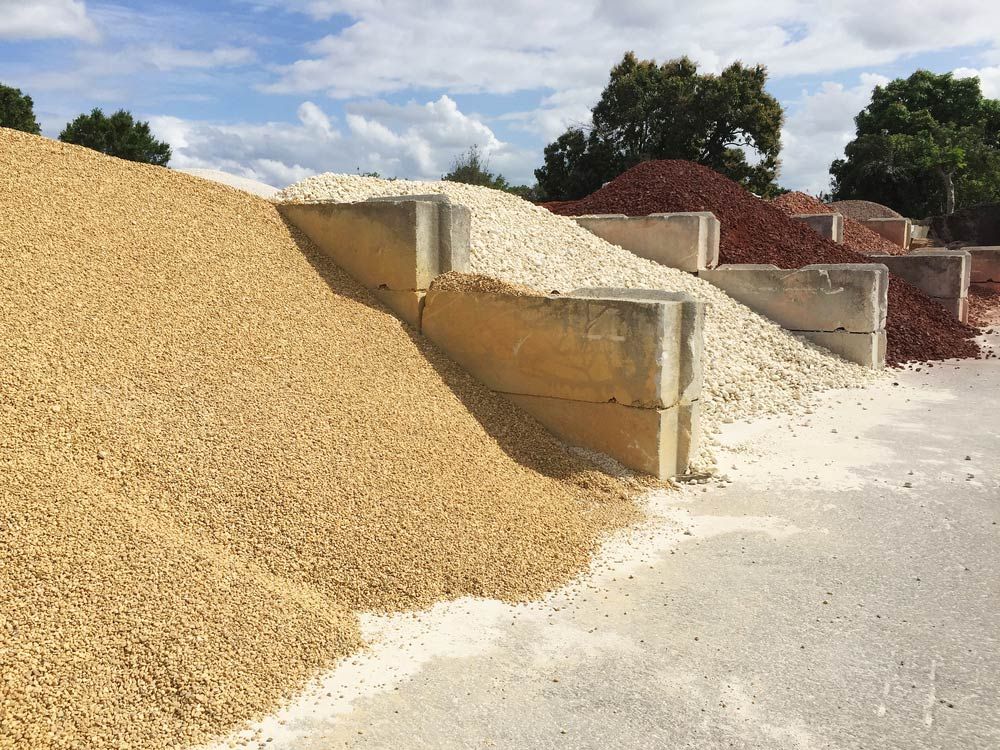
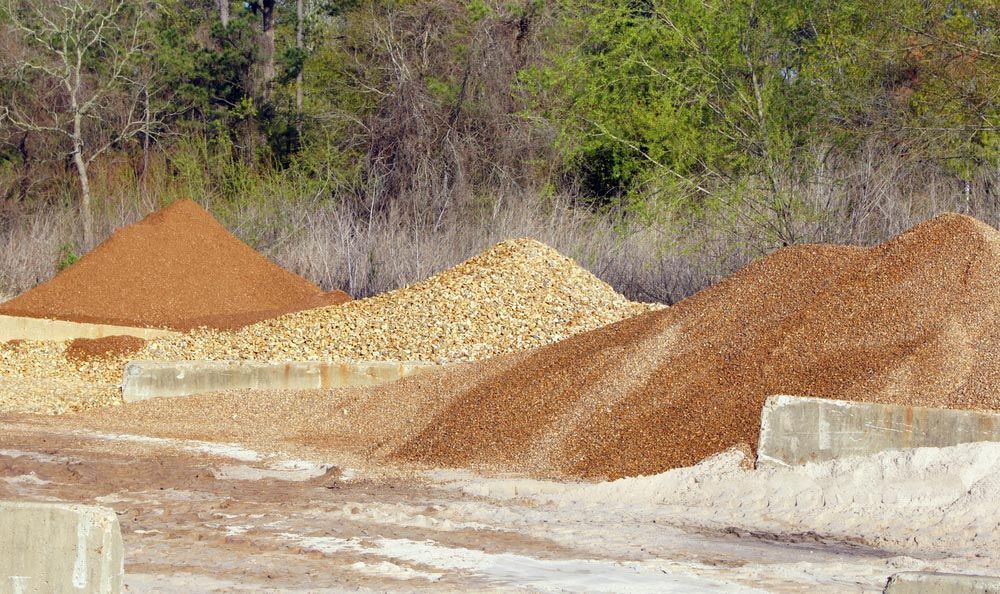
For the right materials, start by looking at
landscape supplies Dubbo homeowners can use for local lawn preparation. If you are unsure how different products compare, see our guide to
choosing the right soil for your landscaping project.
Preparing Clay Ground for a New Lawn in Dubbo
Local ground conditions deserve particular attention during lawn preparation in Dubbo. Across the Central West, heavy clay is common. It can compact easily, drain slowly and become waterlogged during wet periods, while dry conditions can cause it to harden and crack.
You do not necessarily need to remove the clay before laying a lawn. Instead, prepare the existing surface and create a suitable growing layer above it.
Start by:
- Removing old grass, weeds, rocks and debris
- Breaking up hard or compacted areas
- Checking where water naturally collects
- Correcting obvious high and low spots
- Adding suitable lawn soil or underlay
- Levelling the area before turf arrives
For particularly heavy or compacted clay, improving the existing ground with organic matter or a quality sandy loam can help improve its structure and drainage. Aim for an even transition between the native ground and new growing layer rather than leaving roots directly above hard clay.
How Deep Should Turf Underlay Be?
A thin covering may make the ground look level, but turf still needs sufficient quality material underneath it. Aim for at least 100 mm of quality topsoil or lawn mix beneath turf to create a suitable growing layer.
To estimate how much material you need, multiply the lawn’s length and width by the required depth in metres. For example, a 10 m by 5 m lawn prepared to a depth of 0.1 m requires approximately 5 cubic metres before allowing for settling, compaction or site variations.
Irregular lawns can be divided into smaller shapes and calculated separately. To work out how much material you need before ordering, see our guide to planning a landscaping project in Dubbo.
When selecting turf underlay in Dubbo, remember that depth is only part of the preparation. The underlying ground, drainage and final surface level also matter.
How to Level the Ground Before Laying Turf
Good levelling helps create an even finished lawn. High spots can create an uneven mowing surface, while depressions may collect water.
After spreading the lawn mix or underlay, rake the material across the entire area rather than concentrating only on visible low sections. Check the surface from several directions to identify bumps and hollows.
The ground should also allow water to drain rather than collect in low areas. Existing drainage issues should be addressed during preparation instead of being hidden beneath fresh soil and turf.
Lightly firm the prepared surface to reveal areas that settle differently, then correct and rake these spots again as needed.
How to Lay Turf Step by Step
Once the base is ready, installation can begin. For anyone researching how to lay instant turf, careful ground preparation makes this stage much more straightforward.
- Start along a straight edge: Begin at a clear boundary so the first row stays aligned.
- Lay each roll closely against the next: Position the turf so the edges meet without overlapping or leaving noticeable gaps.
- Stagger the joins between rows: Offset each row in a brickwork pattern rather than lining all the joins up.
- Trim around edges and obstacles: Cut the turf neatly around garden beds, paths and other fixed features.
- Avoid unnecessary foot traffic: Work carefully across the area so newly laid sections are not disturbed more than necessary.
- Check soil contact as you go: Make sure each piece sits firmly against the prepared base without obvious air pockets underneath.
Advice on how to lay turf in Australia can vary according to turf variety, local conditions and time of year, so follow the installation and establishment instructions supplied by your turf grower.
Laying and Watering In Your New Turf
Plan the job so the turf can be installed promptly after it arrives and watered once it has been laid.
Watering helps settle the turf against the soil and supports early establishment. The amount and frequency required will vary with turf variety, temperature, weather and soil conditions, so follow the turf grower’s watering recommendations rather than relying on one schedule for every lawn.
During establishment, limit unnecessary foot traffic and keep an eye on edges and joins because these areas can dry faster than the centre of a roll.
Ordering Turf Underlay & Soil in Dubbo
Before ordering soil for turf in Dubbo, work out the area you need to cover and the required soil depth. This will give you a clearer estimate of the volume needed, while allowing for low or uneven areas that may require additional material.
The condition of the existing ground should also guide your choice of material. Consider whether you need turf underlay, lawn soil or another suitable mix to create the prepared growing layer covered earlier in this guide. When choosing soil in Dubbo for a new lawn, look for an option suited to lawn preparation and the conditions of the existing ground.
Once you know the type and quantity of material required, plan whether collection or delivery will be the most practical option for your lawn project.
Build Your New Lawn From the Ground Up
Understanding how to lay turf is not just about positioning the rolls correctly. A successful DIY lawn starts underneath them, with a prepared base, suitable soil depth, careful levelling and attention to local ground conditions.
At Dubbo Soils & Landscaping Supplies, we supply turf underlay, lawn soil and other landscaping materials for projects across Dubbo and surrounding areas. Whether you need help selecting suitable materials or arranging delivery, we can help you prepare for your new lawn.
Contact us today for a free quote on turf underlay and lawn soil for your project.
Frequently Asked Questions